
The Shocking Truth for 90% of Staff
As tech work evolves, the question isn’t just remote or onsite — it’s about finding what fits best. TalentHub explores how developers and employers are navigating remote, onsite, and hybrid models to build thriving, future-ready teams.
Remote Work – Flexibility That Drives Focus than Onsite Work
Remote work has transformed how tech professionals define productivity. It offers more control over schedules, fewer distractions, and the freedom to work from anywhere — home, a café, or a co-working space. For developers in Vietnam and beyond, remote-first roles unlock global opportunities and access to projects aligned with their skills. It also helps individuals better balance work and life, especially those with caregiving duties or living outside major tech hubs.
However, without the right culture, communication, and tools, challenges like isolation, reduced visibility, and blurred boundaries can emerge — impacting both morale and performance. Successful remote teams rely on intentional connection, shared rituals, and clear expectations to stay engaged and productive.

Onsite Work: Real-Time Collaboration & Team Bonding
Onsite work brings the energy of real-time collaboration, fostering spontaneous problem-solving, stronger team bonds, and shared accountability. For junior and mid-level engineers, being physically present often accelerates learning — from observing senior developers in action to receiving immediate feedback. Face-to-face interactions also support company culture building, mentorship, and easier communication across departments. Many teams find that brainstorming sessions, sprint planning, and daily stand-ups are more dynamic when done in person. Moreover, onsite environments often promote faster decision-making and clearer project ownership.
It also creates natural opportunities for recognition, team rituals, and social bonding that reinforce trust and morale. These unplanned hallway conversations or shared lunch breaks may seem minor, but they often lead to creative ideas and tighter collaboration. However, it’s important to acknowledge the trade-offs: less schedule flexibility, the stress of commuting, and fewer opportunities for heads-down, uninterrupted work. Striking the right balance is key — and for some, the structure and social connection of onsite work outweigh the downsides.
Hybrid Work – The Balance Point
Hybrid work has a lot of benefits. It enables focused individual work while preserving team alignment through shared meeting days. Employees gain autonomy over their schedules while still having opportunities to connect, brainstorm, and build relationships in person. For tech teams, hybrid models often mean deeper productivity and higher morale, especially when employees can choose where they work best. It accommodates different working styles and life situations, making it appealing across generations and roles.
Organizations benefit from improved talent retention, as professionals increasingly value flexibility without sacrificing connection. Hybrid setups can also expand hiring pools by allowing partial remote roles, helping companies attract top talent outside their immediate location. However, to avoid confusion and misalignment, success depends on clear structure, shared expectations, strong communication practices, and the right digital tools. When implemented intentionally, hybrid work becomes more than a compromise — it becomes a strategic advantage for modern teams.
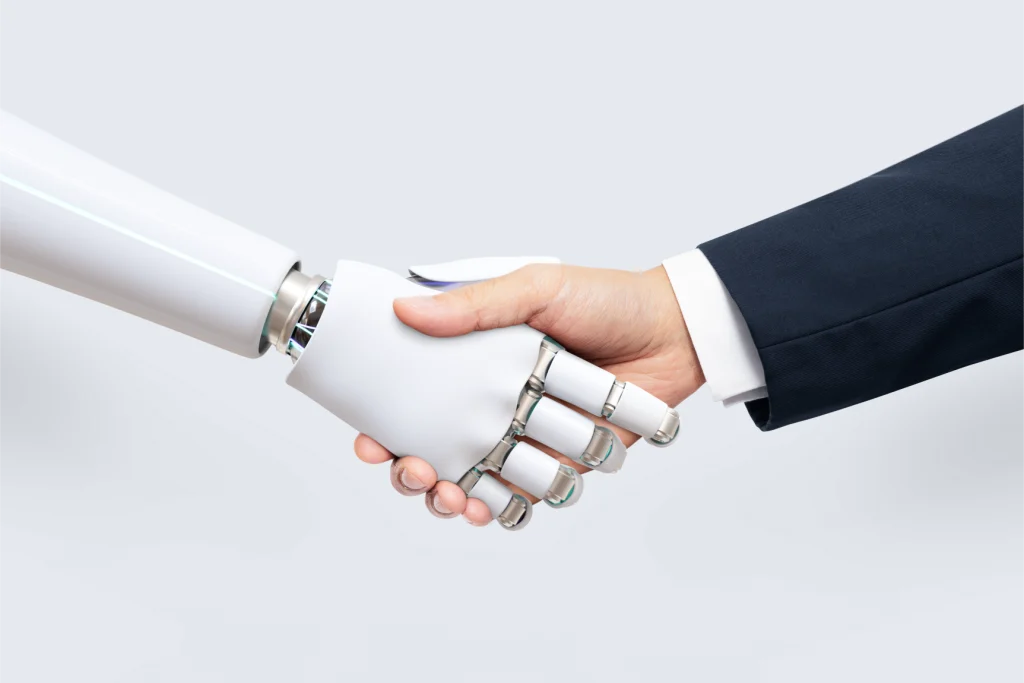
How Talent Careers Helps You
At TalentHub, we understand that great hiring goes beyond matching skills to job descriptions — it’s also about aligning work styles, values, and team culture. That’s why we help tech professionals discover roles that not only fit their technical expertise but also match their preferred way of working — whether that’s remote freedom, onsite collaboration, or a hybrid balance. TalentHub take the time to understand each candidate’s ideal environment and career goals, ensuring a better fit from the start.
For employers, this means faster onboarding, higher engagement, and better long-term retention. By focusing on both capability and compatibility, we help companies build resilient teams that thrive in any model. Because the future of tech work isn’t one-size-fits-all — it’s about the right people in the right environment.
Source: Internet